
When we are children we dream of being doctors, lawyers, cowboys, astronauts, etc. We find ways to play those roles with our friends. Costumes are always a part of the fun. We get older and often those dreams fall to the wayside. But for some young men and women they keep the dream going. They spend their childhoods playing cowboy and cowgirls. If they are fortunate enough they are living in an environment that will allow them to pursue their dreams daily.
When I watch the big rodeo events I see the same names. Not the same people but the same names like Cooper, Feild, Mote, Knowles, Wright etc. The legacies and dynasties that are a part of modern day rodeo may not ensure success but it sure does not hurt to grow up with the knowledge and experience of the last generation or even the older brothers or sisters. But I think a big part of the success is access to the equipment- horses, steer, bulls, chutes, saddles. All of the components to rodeoing are expensive but probably less so if they are being used by more than 1 family member.
Location, location, location is as big in real estate as it is in career choices. Go to an Ivy League school as a legacy and you are several steps ahead of the race when you graduate. Same goes when you rodeo. If my son decides to rodeo he is several steps behind already at the age of 11. We do not live in a rodeo town, we don’t have access to equipment or lessons, and we do not live in an area where full time rodeoing is done.
 There are many 1st generation cowboys and cowgirls competing at the upper echelons of rodeo. How do they get there? In an interview I did with Trevor Brazile at the National Finals Rodeo in 2017 after he won a round I asked him a few questions about rodeo life on his terms. His family goes with him on the road. That is the only way he will have it. He say she stared with nothing and has focused on his craft so that he is able, because of his sponsors and business deals, to have the means to bring them along. He says “The main thing is to win. If you win enough they can’t keep you home, plain and simple. Do the preparation, don’t cheat the process and it won’t cheat you.” He started with nothing and now has 23 Gold Buckles and is easily one of the most recognizable people in the sport.
At any level of rodeo you have to have the horses, equipment which are expensive and a must have. To travel to the rodeos you need money for gas, lodging, food. If you are a roughstock athlete you don’t have to haul horses but you still have to get you and your gear to the events. And then there are always the entry fees, vehicle maintenance, someplace to practice, steers, calves, bulls.
I talked to Fred Whitfield about his rodeo experiences while he was competing in the Boyd Chute Out. You can read a lot about Fred in his autobiography Gold Buckles Don’t Lie. We discussed the barriers to entry for today’s rodeo athlete that does not hav financial support. If I decided today I wanted to be a Barrel Racer (which is on my bucket list) by the time I buy my expensive horse, trailer, truck to pull the trailer, and hire a coach I am over $200K in the hole. Again that is the assumption that I am doing this in the upper echelon competition.
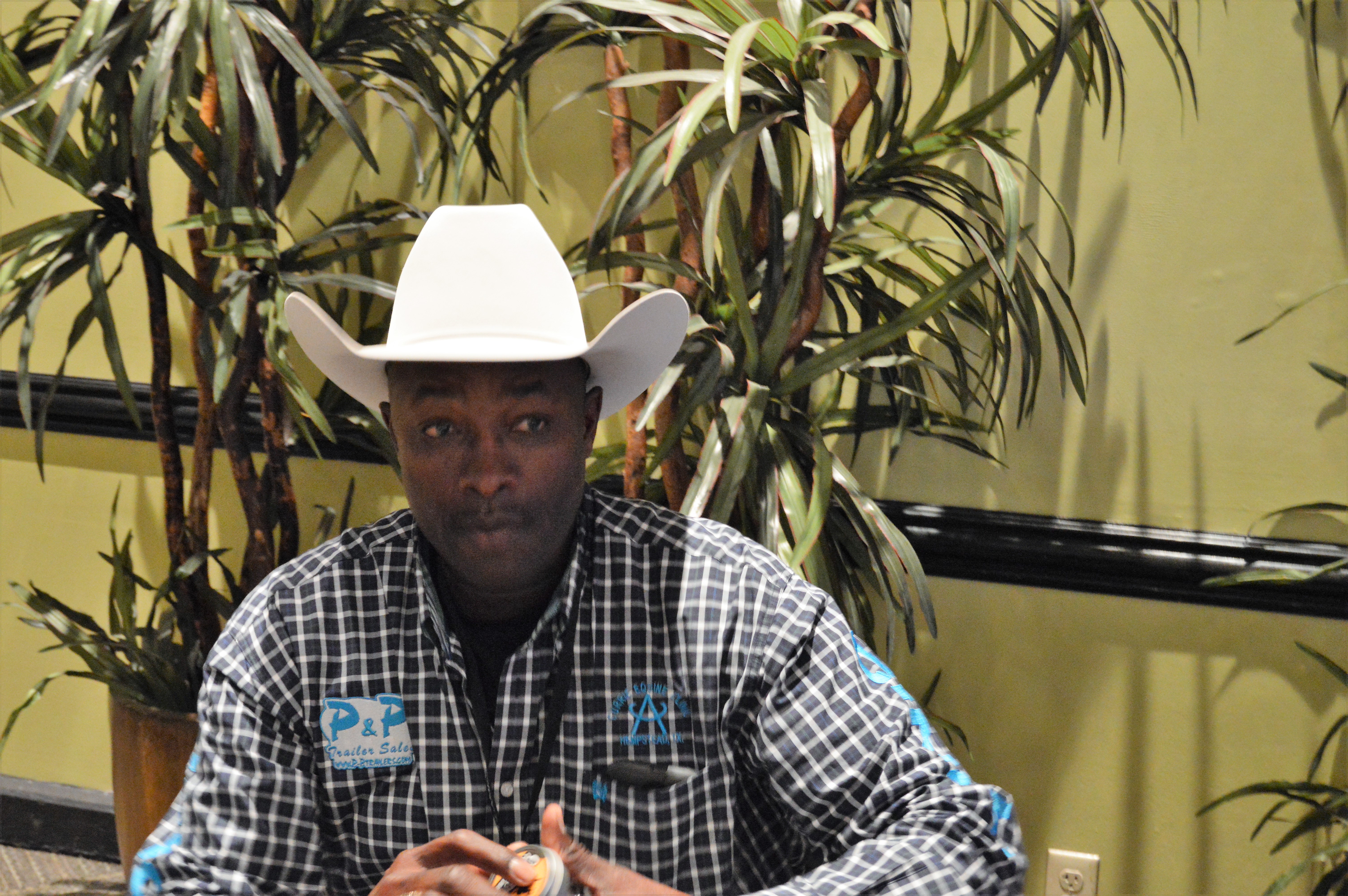 But there are also the things that a person that looks like me may encounter….racism. There are many African-American rodeo athletes in America. However they do not seem to be too plentiful in the PRCA as a whole and extremely sparse at the NFR. We all know how successful Fred has been over his career and he credits the struggles of the men who came before him. Calvin Greely, who also mentored Joe Beaver, who was known for his horsemanship and positive attitude. He started riding horses at 3 and won his first roping in 1949 and took home $35. Hall of Famer Rufus Green was one of the first African Americans to get his PRCA card. He was a full time roper and became a subject matter expert he trained many men and women in roping and riding. These men were relegated to roping after the rodeos. Not side by side with the white ropers even though it was clear that they had more than enough talent to compete with the white competitors.
Fred had won 2 Gold Buckles before he got his first major endorsement deal. Yet you see some competitors that have not won any gold buckles with some seemingly lucrative deals. But racism is not just found in rodeo, but part of real life. Fred was recognized early by other ropers. With his determination to rope with the best he spent his free time practicing. He played football, but he devoted his time to roping and not making practice. He was good enough to play but other players didn’t think it fair that he played when he didn’t make it to practices. ( And we know how they feel about high school football in Texas). So he made a choice even though he was good at football to devote his focus on roping. 8 gold buckles later I would say that was a good move.
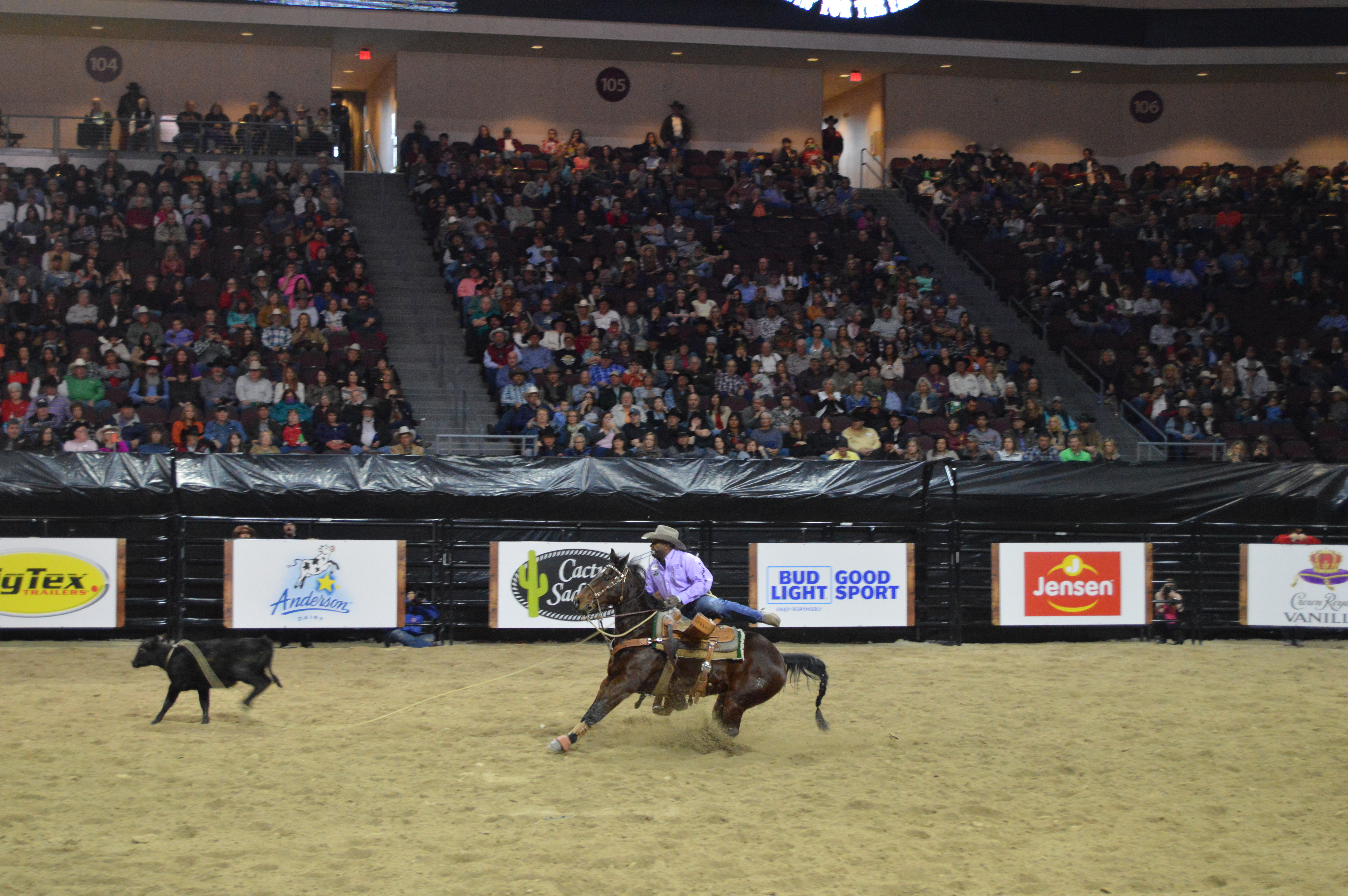
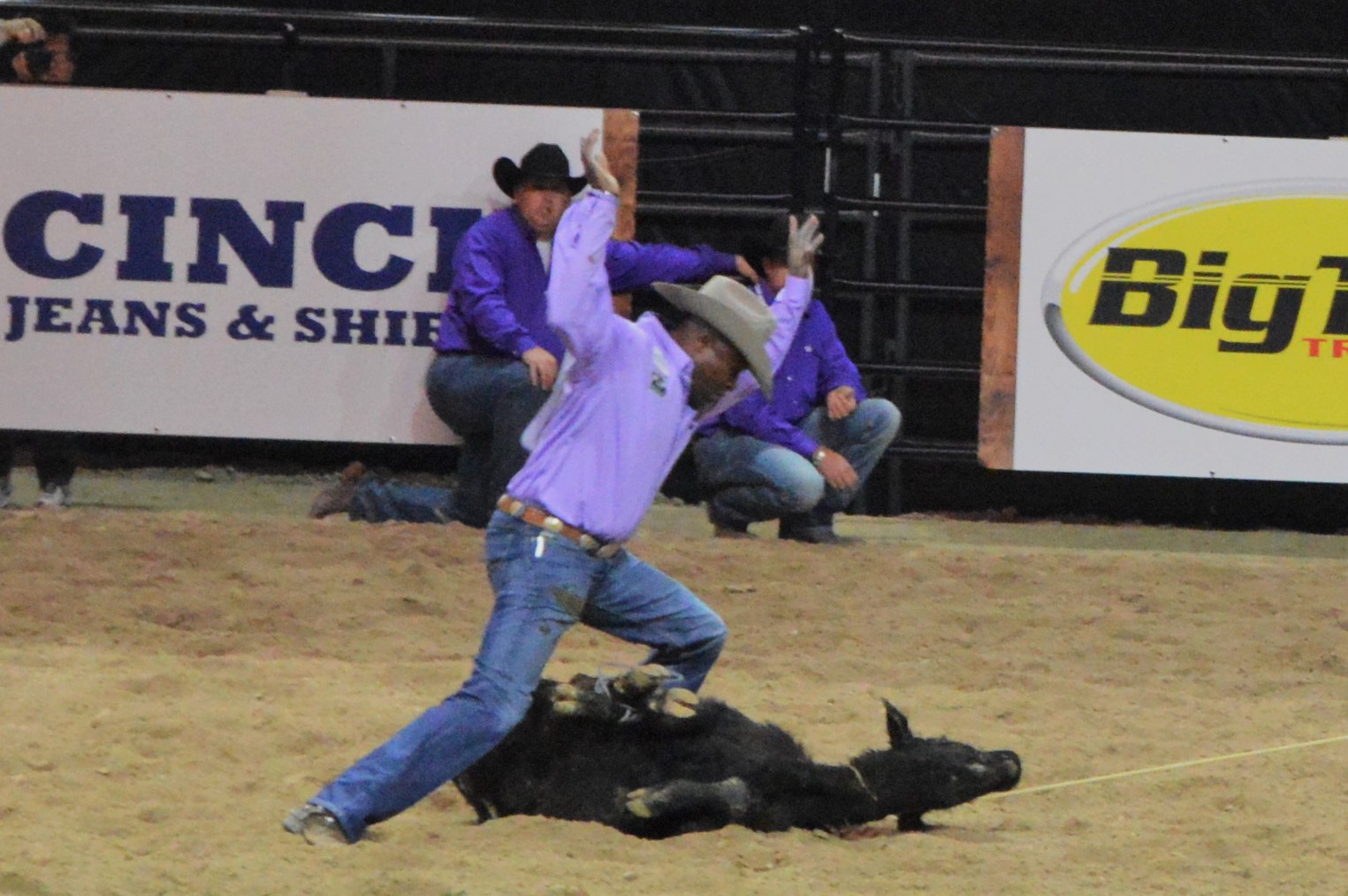
It was great having the opportunity to interview Trevor and Fred last year. I am looking forward to getting more perspectives from some more rodeo cowboys and cowgirls. Hope you enjoyed this piece. Go to the comments and let me know who you would like to hear from. I am working on another big name. Wish me luck.
And remember We Rodeo Big In The North!
Follow me on Instagram and Twitter at Cowgirl19114

 cowgirl19114
Leave a reply to coursebykatie Cancel reply